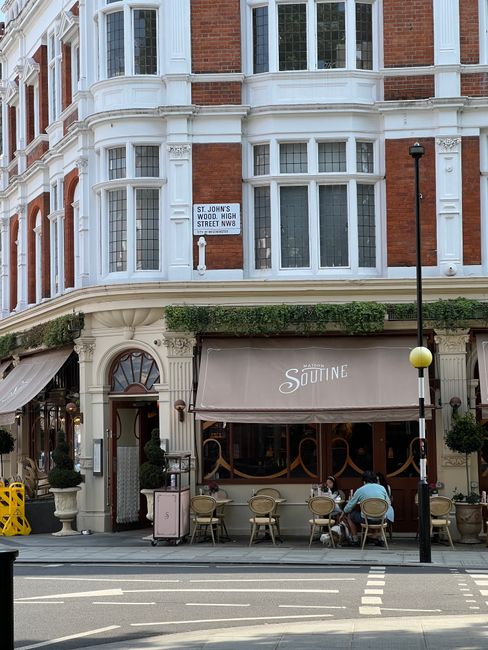
Wood Green High Road rubbish removal guide for shops and cafes

If you run a shop, cafe, bakery, takeaway, or small hospitality business on Wood Green High Road, rubbish has a way of building up faster than you expect. Empty boxes by the till, broken display bits in the back room, coffee grounds, packaging, food waste, old fridges, and the odd chair that's seen better days - it all adds up. This Wood Green High Road rubbish removal guide for shops and cafes is here to make the process simpler, tidier, and less stressful.
Whether you need a one-off clearance after a refit or a regular plan for day-to-day commercial waste, the aim is the same: keep your premises safe, presentable, and manageable. A good system saves time, helps staff stay focused, and prevents the back of house from turning into a bit of a disaster zone. Let's face it, nobody wants to be stepping over cardboard mountains at 8:30 on a Monday morning.
In this guide, you'll find practical steps, common mistakes to avoid, compliance considerations, and useful ways to decide what kind of rubbish removal support makes sense for your business.
Why Wood Green High Road rubbish removal guide for shops and cafes Matters
Wood Green High Road is busy, lively, and very public. That is part of its charm, but it also means waste is visible. A sack left out too long, a broken pallet leaning by the entrance, or a greasy bin lid that won't shut properly can make a place look tired quickly. For a shop or cafe, appearance is not just cosmetic. It affects customer confidence before they even open the door.
For cafes, rubbish removal has another layer: hygiene. Food packaging, milk containers, used filters, cleaning waste, and spill-related materials all need handling in a way that supports cleanliness and reduces smell. Anyone who has opened a back door on a warm afternoon and caught that sour, stale-bin smell knows exactly what I mean. It sticks.
For shops, the pressure is often different. Stock deliveries create cardboard, plastic wrap, void fill, damaged cartons, and occasional returns packaging. Add a refit, seasonal display change, or storage tidy-up, and waste can pile up fast. On a busy high road, you often need a removal process that works around trading hours, loading restrictions, and pedestrian traffic.
There is also a safety angle. Loose waste in a tight rear yard or stockroom can create slip, trip, and fire risks. A cleaner, more organised waste setup makes life easier for staff too. Fewer obstacles, fewer awkward lifts, fewer "where did we put that again?" moments.
How Wood Green High Road rubbish removal guide for shops and cafes Works
In practical terms, rubbish removal for shops and cafes usually falls into two broad approaches: scheduled commercial waste collection or ad hoc clearance of bulky or accumulated items. Many businesses use both. For instance, your day-to-day bin collection handles food waste and packaging, while a clearance team deals with old shelving, broken chairs, appliance removals, or leftover stockroom clutter.
The first step is to identify the waste type. Not all waste is the same, and not everything can go in the same container. General rubbish, cardboard, food waste, electrical items, fridges, confidential material, and hazardous waste all need different handling. That is where a service like business waste removal can be useful, especially if your business needs a more structured approach.
Next comes access. On a road like Wood Green High Road, access can matter as much as volume. If waste is stored in a rear yard, basement, or narrow stockroom, removal needs to be practical and efficient. A good team will usually want to know:
- how much waste needs removing
- what kind of waste it is
- where it is stored
- what access is available
- when collection can happen without disrupting trade
Then there is sorting. Good waste removal is not just about lifting and loading. It is about separating reusable, recyclable, and non-recyclable material where possible. If your business is also thinking about longer-term cleaning up and sustainability, the recycling and sustainability page is worth a look for the broader thinking behind responsible disposal.
Finally, there is documentation and peace of mind. For commercial waste, many business owners prefer providers who are clear about what they take, how they handle it, and how they keep things safe. You do not need fancy jargon. You need a clear, sensible process that does what it says on the tin.
Key Benefits and Practical Advantages
A well-run rubbish removal plan gives you more than a cleaner back room. It changes the feel of the business. Staff move faster. Delivery day is less chaotic. Customers see a more polished frontage. And if you are trying to run a tight operation, those little improvements stack up.
- Better presentation: clean entrances and tidy service areas help your shop or cafe look professional.
- Improved hygiene: fewer overflowing bins, less residue, and less risk of odour build-up.
- Safer working conditions: staff are less likely to trip over waste or struggle with awkward clutter.
- More storage space: clearing out redundant items creates breathing room in stockrooms and prep areas.
- Time savings: staff can focus on serving customers instead of managing rubbish piles.
- Better recycling outcomes: cardboard, packaging, and suitable materials can often be separated more effectively.
There is another practical benefit people often overlook: morale. A cleaner work environment feels calmer. It sounds small, but it matters. When the back-of-house is organised, staff tend to work more confidently, and that usually shows on the shop floor too.
If you have old chairs, counters, shelving, or equipment that needs clearing, related services such as furniture disposal can help with larger items that do not belong in routine bins. For businesses with old appliances or refrigeration units, fridge and appliance removal may be more suitable. The right route depends on the waste, not just the size of the pile.
Who This Is For and When It Makes Sense
This guide is for shop owners, cafe managers, franchise operators, independent business owners, landlords, and anyone responsible for commercial premises on or near Wood Green High Road. It is especially relevant if your business regularly generates mixed waste and you are trying to keep the place organised without letting clearance jobs become a weekly headache.
It makes sense to arrange rubbish removal when:
- you are fitting out or refitting a shop or cafe
- you have a build-up of cardboard, packaging, or broken fixtures
- your stockroom has become too cluttered to work in safely
- you are replacing furniture, fridges, or kitchen equipment
- you are closing, relocating, or handing back a unit
- you need a one-off clearance after a deep clean or inspection
A cafe might need a clearance after a machine failure or a refurb. A shop might need it after seasonal stock comes down and damaged display items have to go. Sometimes it is just one of those weeks where the back room has gotten away from everyone. Happens all the time, to be fair.
Businesses with more office-style admin waste may also find office clearance helpful if they are combining retail or hospitality operations with a small office space. And if your premises include storage above or below the main trading area, clearance support can make those awkward spaces usable again.
Step-by-Step Guidance
If you want the process to run smoothly, it helps to approach it in stages. Here's a straightforward way to think about it.
- Identify the waste. Separate general rubbish, cardboard, food waste, fixtures, electrical items, and anything possibly hazardous.
- Measure the scale. You do not need exact weights for most enquiries, but you should know whether it is a few bags, a van load, or a full clearance job.
- Check access. Note stairways, rear entrances, loading bays, parking restrictions, and any timing issues around customer traffic.
- Decide what can stay. Be ruthless, but sensible. If something is unused, broken, or unsafe, it usually should go. If it is still useful, keep it.
- Set a collection window. Pick a time that avoids your busiest service periods. Early morning can work well for cafes; late afternoon can suit shops after the rush.
- Prepare the waste area. Stack items safely, label anything unusual, and keep routes clear for lifting.
- Book the removal. Use a provider that explains what can be taken, how it will be handled, and whether specialist waste needs separate treatment.
- Confirm the end result. After collection, check the area for small fragments, leaks, or overlooked items.
If you are planning ahead and want to avoid last-minute panic, booking online can be a simple way to keep things moving. You can also review pricing and quotes to get a clearer feel for how the job may be structured before you commit.
Small detail, but useful: if you know there are fridges, freezers, or other large electricals involved, mention it early. That one bit of information can save a lot of back-and-forth later.
Expert Tips for Better Results
Over time, the businesses that handle waste best tend to do a few simple things consistently. Nothing flashy. Just solid habits.
- Keep a waste corner: set aside one area where cardboard, packaging, and broken items can be gathered neatly before collection.
- Train staff lightly, not heavily: people do not need a lecture. They need clear instructions on what goes where.
- Use labels: even a quick handwritten sign on a bag stack can prevent confusion.
- Separate special items early: appliances, confidential papers, and hazardous materials should not sit around mixed in with general rubbish.
- Schedule around trade: choose quieter times if possible; it makes the whole removal feel less disruptive.
- Review waste patterns monthly: this helps you see if packaging, food waste, or bulky items are increasing.
One more thing: do not let a clearance job become a mystery pile. I have seen back rooms where everyone knows the clutter is there, nobody owns it, and somehow it just sits in limbo for months. Mildly tragic, really.
If your shop or cafe generates confidential paperwork too, confidential shredding may be relevant. That is particularly useful for businesses handling customer details, supplier paperwork, or old records that should not be tossed into open waste.
Common Mistakes to Avoid
A few avoidable errors cause most waste headaches. The good news is they are easy to fix once you spot them.
- Leaving waste too long: the longer it sits, the messier and smellier it gets.
- Mixing waste types: this can make recycling harder and can complicate removal.
- Forgetting access issues: parking, loading, and delivery restrictions can derail a collection if no one checks first.
- Ignoring bulky items: old shelving, chairs, and appliances often need separate handling.
- Using the wrong removal method: not every job suits a skip, especially where access is tight or waste changes during the day.
- Not planning around trading hours: a badly timed collection can upset customers and staff alike.
Another mistake is assuming all waste is harmless. That is not always true. Broken glass, cleaning chemicals, oily materials, electrical items, and refrigeration equipment can all need more care. When in doubt, treat it cautiously and ask before it becomes a problem.
Tools, Resources and Recommendations
You do not need a complicated setup to manage rubbish well. Usually, a handful of simple tools does most of the work.
- heavy-duty bin bags or sacks
- sturdy storage boxes for mixed packaging
- label tape or marker pens
- trolleys or dollies for bulky items
- gloves suitable for handling rough waste
- a clear internal waste log for larger jobs
If your business regularly accumulates bulky items, it may help to compare disposal routes before choosing one. A skip can be useful for certain projects, and the page on what can go in a skip can help you understand the basics. But if your waste is mixed, heavy, or stored awkwardly, a direct clearance service may be easier and quicker.
For larger clear-outs involving shop fittings, shelving, or outdated furniture, furniture clearance can be a better fit than trying to shift everything piece by piece. And if the job includes more than one type of waste, a broader waste removal approach may simply be more practical.
Law, Compliance, Standards and Best Practice
Waste from shops and cafes is not just a housekeeping issue. It sits inside a wider duty of care mindset, which means businesses should handle waste responsibly, keep it contained, and use appropriate disposal methods. You do not need to become a legal expert, but you do need to be careful and consistent.
In the UK, commercial waste is typically expected to be managed separately from household waste. Businesses should keep records where appropriate, use reputable carriers, and avoid letting waste create a nuisance, obstruction, or hygiene problem. For food businesses in particular, cleanliness and containment matter even more because of odour, pests, and food safety concerns.
Best practice usually includes:
- keeping waste in secure containers
- sorting recyclables where possible
- storing waste away from customer areas
- preventing spillages and access by pests
- using a provider that explains how different waste types are handled
Safety should not be an afterthought either. If staff are lifting bulky items or moving heavy bags, sensible handling matters. The site's health and safety policy and insurance and safety information are useful trust signals when you are comparing providers and want reassurance that the basics are properly thought through.
If hazardous waste is involved, do not guess. Hazardous materials can include certain chemicals, contaminated absorbents, and other items that need specialist handling. For that kind of job, the hazardous waste disposal page is the right place to start. It is better to ask a careful question than to create a mess you cannot easily unwind.
Options, Methods and Comparison Table
There is no single "best" way to clear business waste. The right option depends on volume, access, timing, and the type of waste you generate. Here is a simple comparison to help.
| Method | Best for | Advantages | Limitations |
|---|---|---|---|
| Routine commercial collections | Regular bins, packaging, food waste | Predictable, convenient, good for ongoing use | Not suitable for bulky or one-off clearance jobs |
| On-demand rubbish removal | Mixed waste, clear-outs, bulky items | Flexible, fast, less pressure on staff | May not suit constant daily waste |
| Skip hire | Projects with lots of sorted waste and decent access | Can hold a lot, useful for ongoing work | Needs space, careful loading, and the right waste mix |
| Specialist item removal | Fridges, appliances, confidential paper, hazardous items | Safer handling, more suitable for regulated or awkward waste | Usually needs advance notice and correct categorisation |
For many shops and cafes on Wood Green High Road, the easiest answer is a mix. Routine waste stays under control through scheduled arrangements, while larger or more awkward items are cleared when needed. That way, you are not forcing one system to do everything.
Case Study or Real-World Example
Take a small cafe with a narrow prep area and a stockroom that slowly became a dumping ground. Nothing dramatic. Just the usual stuff: cardboard from milk deliveries, a wobbly chair, a broken table leg, two old under-counter units, and a stack of packaging that nobody had time to sort. The team kept meaning to deal with it after a busy weekend, then another weekend came, and there it sat.
What changed was a planned clearance before a menu refresh. First, the cafe owner listed what had to go and what could stay. Then they separated the obvious recycling from the bulky items. They also chose a collection time before opening, which meant the front of house stayed calm and customers never saw the mess.
The result was not magical. No trumpet fanfare. But the back area became usable again, staff stopped squeezing sideways past clutter, and the cafe looked sharper overall. It also made future waste handling easier because there was now a clearer system. Sometimes that is the whole win: not glamorous, just calm and workable.
A similar thing happens in shops when old display units, damaged shelving, or seasonal stock packaging gets removed together. One tidy-up can reset the whole space.
Practical Checklist
Use this checklist before arranging rubbish removal for your shop or cafe.
- Confirm what needs to be removed
- Separate general waste, recyclables, and special items
- Note any fridges, appliances, or confidential waste
- Check access, parking, and timing restrictions
- Decide whether the job is one-off or recurring
- Clear paths for safe lifting and loading
- Protect staff and customers from disruption
- Ask about handling for awkward or hazardous items
- Review pricing and collection expectations in advance
- Make sure the area is checked after collection
Quick practical summary: if the waste is mostly routine packaging and bin material, keep your collection system simple and regular. If the waste is bulky, mixed, or awkward, plan a targeted clearance. That one decision prevents a lot of hassle later.
For businesses that want to plan a collection or discuss an upcoming clearance, the simplest next step is to book online or review the team's about us details to understand the approach behind the service. If you want to speak directly about your premises, the contact us page is there too.
Conclusion
Good rubbish removal is one of those unglamorous parts of running a shop or cafe that quietly makes everything else run better. On Wood Green High Road, where presentation, access, and pace all matter, a tidy waste plan helps you protect hygiene, safety, and customer experience at the same time.
Start with what you have, sort it properly, and choose the right method for the job. Keep the process simple. Keep it honest. And if the waste is already getting on top of you, deal with it before it starts affecting the front of house. That's usually the turning point.
Get a free quote today and see how much you can save.
And if your business has a very busy week ahead, don't worry too much. A clear back room and a clean frontage can make Monday feel a lot less heavy.
Frequently Asked Questions
What is the best rubbish removal option for a cafe on Wood Green High Road?
It depends on the waste. Routine food and packaging waste usually suits scheduled collections, while bulky items, appliances, or a stockroom clear-out are often better handled through a one-off clearance service.
Can a shop get rid of old shelving and display units?
Yes, in many cases. Old shelving, counters, and display units are typical bulky items for commercial clearance, especially during a refit or change of layout.
Do cafes need different waste handling for food-related rubbish?
Usually, yes. Food waste needs cleaner storage and more careful handling than dry packaging waste because of smell, hygiene, and pest risk.
Is it better to use a skip or a clearance service?
A skip can work well if you have space and the waste is suitable. A clearance service is often easier for mixed, bulky, or awkward waste, especially where access is tight.
What should I do with old fridges or freezers?
Do not leave them to sit in the back room. They are bulky electrical items and should be handled through a suitable appliance removal service.
Can I mix cardboard with general rubbish?
You can physically mix it, but it is usually not the best idea. Keeping cardboard separate makes recycling easier and can reduce the amount of general waste you need to remove.
How often should a busy shop arrange waste clearance?
That depends on trade levels. Many businesses use regular bin collection for day-to-day waste and then book additional clearance when stock changes, deliveries pile up, or bulky items need removing.
What happens if waste is left in the rear yard too long?
It can create odour, clutter, safety issues, and a poor impression for staff and visitors. In warm weather, it gets unpleasant fast. No one wants that.
Is confidential paper disposal relevant for shops and cafes?
It can be. If you keep customer data, supplier records, payroll information, or paperwork you no longer need, secure shredding may be the sensible choice.
What should I ask before booking rubbish removal?
Ask what types of waste they take, how access is handled, whether special items need separate treatment, and how pricing is structured. Clear answers usually mean fewer surprises.
Can rubbish removal be arranged outside opening hours?
Often, yes. Many businesses prefer early morning or quieter periods to avoid disrupting customers and staff, especially on a busy high road.
How do I know if my waste might be hazardous?
If it includes chemicals, contaminated materials, certain electrical or industrial items, or anything you are unsure about, treat it cautiously and ask before disposal. When in doubt, it is better to check.
For more on the company's standards and policies, you may also find the payment and security, terms and conditions, and recycling and sustainability pages helpful when you are comparing your options.