Health & Safety Policy for Business Waste Removal Wood Green
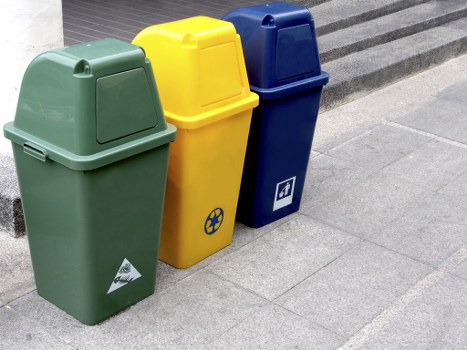 This Health and Safety Policy sets out the commitment of our company to maintain safe systems for commercial waste disposal and business waste collection services operating across our service area. It applies to all staff, contractors and subcontractors engaged in commercial rubbish removal and office junk removal tasks. The policy has been developed to meet legal obligations while promoting best practice in rubbish company operations.
The purpose of this policy is to prevent injury and ill health during the handling, transportation and disposal of waste, to ensure compliance with relevant health and safety legislation, and to protect the public, clients and the environment. All operatives and managerial staff must understand and implement the provisions described below. Safety is a priority in every task, from small-scale bin collections to large-scale commercial waste removal projects.
 Scope: This document covers commercial waste removal, waste management services, and rubbish collection activities performed by the company. It includes removal of general commercial waste, recyclable materials, light construction debris and office clearances. Activities excluded from this policy are specialist hazardous waste handled under separate procedures documented by registered hazardous waste carriers.
Responsibilities: Roles and responsibilities are assigned to ensure clear accountability across the business. Key duties include:
- Management must ensure adequate resources for safe operations, risk assessments and training.
- Supervisors will carry out daily checks, enforce safe systems of work and report unsafe conditions.
- Operatives are required to follow procedures, wear appropriate PPE and report incidents promptly.
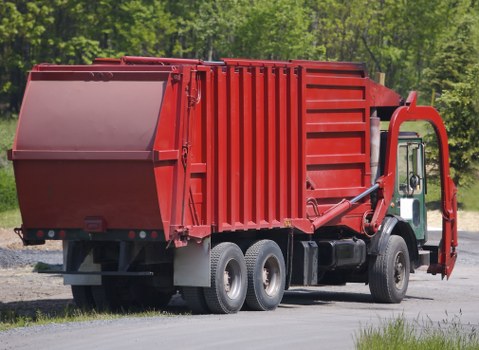 Risk Assessment & Controls: Formal risk assessments are carried out for all routine and non-routine tasks (loading, lifting, vehicle movements, manual handling and use of plant). Control measures implemented include mechanical aids, team lifting, safe loading protocols, segregated storage for recyclable materials and clear exclusion zones during vehicle operations. A hierarchy of control is applied: elimination, substitution, engineering controls, administrative controls and personal protective equipment (PPE).
PPE and Equipment: All staff engaged in rubbish company duties must be issued and trained in the use of PPE appropriate to the task. Items include hi-vis clothing, cut-resistant gloves, safety footwear, eye protection and hearing protection where necessary. Equipment checks are mandatory at the start of shifts, and defective equipment must be removed from service immediately.
Training and Competence: The company maintains a programme of induction and ongoing training covering safe manual handling, vehicle operation, waste segregation, spill response and incident reporting. Competence is assessed periodically and records are maintained to demonstrate that staff involved in commercial waste disposal are suitably trained and supervised.
 Operational Procedures: Standard operating procedures (SOPs) are established for vehicle loading, route planning to minimise reversing and congestion, secure containment of loads, and safe handover at disposal facilities. Drivers and loaders must follow signage and instructions at client sites to reduce risk to third parties. When undertaking office junk removal or commercial rubbish removal tasks, operatives must confirm access arrangements and identify trip hazards before task commencement.
Incident Reporting and Investigation: All accidents, near-misses and dangerous occurrences must be reported promptly to management. Investigations aim to identify root causes and implement corrective actions to reduce recurrence. Records of incidents and investigations are retained in accordance with statutory requirements to support continuous improvement in safety performance.
Monitoring, Audit and Review: The company conducts regular inspections, safety audits and performance reviews of the waste removal service. Key performance indicators include incident rates, training currency and audit findings closure rate. Internal reviews are supplemented by external audits where appropriate to verify compliance with legal obligations.
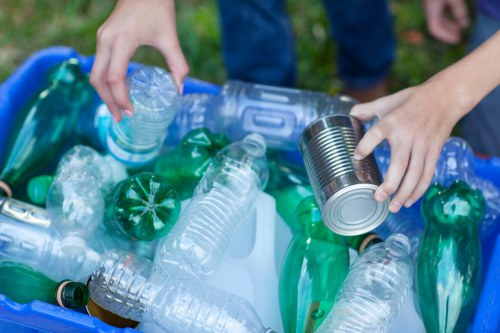 Environmental & Waste Segregation: Effective waste segregation practices reduce environmental risks and regulatory exposure. Procedures require separation of recyclables, general commercial waste and items requiring specialist disposal. The company adheres to relevant waste transfer documentation and ensures that authorised facilities are used for final disposal or recycling, reducing potential contamination and associated hazards.
Policy Compliance and Continual Improvement
Legal and Contractual Obligations
The management team will ensure that statutory duties relevant to the rubbish collection service and commercial waste disposal operations are met. Periodic policy review will be undertaken to reflect changes in legislation, operational practice or service area needs. Compliance is supported through training, risk-based controls and documented procedures that emphasise safety and environmental stewardship.
Summary of Commitments:
- Provide a safe working environment for people involved in business waste removal and related activities.
- Assess and control risks associated with waste handling and transport.
- Deliver training and maintain competence of all personnel.
- Investigate incidents and act to prevent recurrence.
- Promote responsible waste management and recycling throughout the service area.
Review: This policy will be reviewed annually or following a significant incident, operational change or legislative update to ensure it remains effective and aligned with best practice for commercial rubbish collection and waste management.
