Business Waste Removal in Wood Green
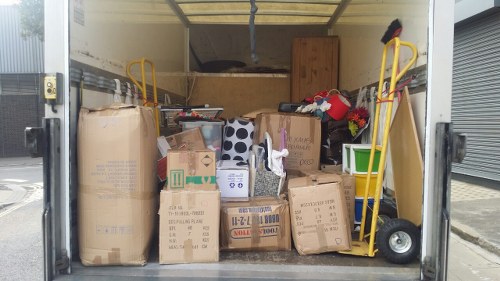
Business waste removal in Wood Green is about keeping commercial premises clear, workable and ready for the next task, whether that means regular office rubbish collections, one-off clearances, or the removal of bulky items from storage rooms and back-of-house areas. We handle mixed commercial waste with a practical, organised approach that suits shops, offices, workshops and other workplaces that need a tidy handover without unnecessary disruption.
The right service depends on what needs taking away, how it is stored, and how quickly space must be made available again. Some jobs involve a few awkward items and bags of general waste; others include heavier materials, archive paperwork, unwanted furniture or equipment that needs careful sorting. Our service focuses on safe removal and sensible disposal, with attention to what can be separated for recycling and what needs specialist handling.
Start by identifying the main waste streams, the access available and any items that need special care. If you are comparing options, view pricing and quote information for a clearer idea of how the work is usually assessed. For straightforward enquiries, contact us to request a quotation and outline the type of waste, the volume and the location on site.
Commercial waste collections for everyday premises
Many businesses need waste removed as part of normal operations rather than as a large project. Offices may want old desks, chairs, filing units or broken small equipment taken away after an upgrade. Retail units often need packaging, display items and stock-room clutter cleared before a refit or delivery. Light industrial spaces may also produce mixed waste that builds up around storage zones and requires organised loading rather than a simple bin collection.
For those looking for broader support, our business waste removal service is suited to recurring or one-off commercial clearances where waste has accumulated beyond what standard bins can manage. In some cases, a more general waste removal option may be the better fit when the waste type is mixed and the priority is to clear it efficiently from the premises.
Useful preparation can make the visit smoother without turning it into a long exercise. A brief list of what is being removed, a note of any access issues, and an indication of lift use, stair access or loading bay arrangements are often enough to plan the work. If you already know there are paper records, electrical items or broken fittings among the load, mention them early so the collection can be organised appropriately.
Clearance of office furniture, equipment and stored items

When desks, chairs, cabinets or shelving are no longer needed, a business may want them removed together rather than dealt with piece by piece. We can help with office furniture clearance where items need to be carried out carefully, especially in shared buildings or rooms with limited turning space. The same applies to surplus stock-room fixtures and other bulky items that are awkward to move without planning.
For furniture that is no longer suitable for reuse, our furniture disposal and furniture clearance pages cover the removal of domestic and commercial pieces that need taking away responsibly. Where larger office furnishings are involved, it can also help to look at office clearance if the job includes more than just single items and extends to a wider room or floor area.
Typical decisions in this kind of work include whether items are dismantled in place, whether documents or computer equipment are separated, and whether the clearance is being done around trading hours or after closing. When waste is combined with working furniture, we can usually discuss the most practical order for removing it, so the premises are left manageable rather than cluttered halfway through the job.
Specialist household-style clearances for business premises
Not every commercial clearance is limited to desks and bins. Some premises include domestic-style rooms, staff accommodation, managed flats or mixed-use storage spaces that need a more general clearance approach. In those settings, a business may benefit from services that handle mixed furnishings, loose contents and accumulated rubbish in one visit rather than separating every item by room type.
Where the requirement is broader, home clearance, house clearance and flat clearance can be relevant pages to review because they describe the kind of mixed contents removal that is sometimes needed in staff housing, short-let properties or managed premises. If there are lofts, storerooms or attic spaces involved, loft clearance may also be useful for understanding how awkwardly placed contents can be dealt with.
Good planning is especially useful where the job includes narrow access, shared entrances or goods that have been stored for years. A clear note about the quantity of furniture, loose bags, boxes and any fragile contents helps us plan the load properly. Where there are items to be retained, a simple separation before the visit reduces confusion and keeps the clearance focused on what is actually being removed.
Waste types that need extra care
Some commercial clearances include items that cannot simply be mixed into a general load without checking how they should be handled. Electrical appliances, confidential papers, mattresses, sofas and certain materials may require a more specific disposal route. In those cases, the aim is not only to remove the waste, but to keep the process orderly and suitable for the item type.
For example, fridge and appliance removal is relevant where a workplace is replacing cold-storage equipment or clearing old electrical units. mattress and sofa disposal may be useful for premises with staff rest areas, managed accommodation or mixed-use buildings. If paper records or sensitive documents are part of the clearance, confidential shredding provides a clearer route for secure document disposal.
When waste includes materials that may need checking before removal, it helps to mention them early rather than leaving them until loading starts. That allows the work to be organised around the item type and avoids confusion over what can be taken with the main load. If you are unsure whether something belongs in a specialist category, tell us what it is and we can discuss the best way to include it in the quotation.
Building, garden and garage-related clearances

Commercial premises are not always limited to office-style waste. Trades, landlords, maintenance teams and mixed-use property managers often have building debris, outdoor waste or general clutter that needs collecting from ancillary areas. That may include leftovers from fit-out work, broken shelving, packaging, soil, green waste or unwanted items stored in garages and outbuildings.
For those jobs, builders waste clearance can suit construction residue and fit-out debris, while garden clearance may be relevant where outdoor areas need cuttings, branches or other green waste removed. If the issue is a cluttered storage area rather than a workroom, garage clearance is a useful guide to the kind of items often found in hidden storage spaces and back rooms.
These clearances usually work best when waste is grouped by type before collection, even if it all leaves on the same vehicle. That is not about making the job complicated; it is about making disposal more straightforward and making sure awkward materials are not mixed with the wrong load. A simple inventory of the main item groups is often enough to get started.
How quotations are usually worked out
Prices for business waste removal normally depend on several practical factors rather than a single fixed formula. Volume matters, because a few bulky items take up a different amount of vehicle space from a room full of loose waste. Item type matters too, because some materials require additional handling or separation. Access, loading time and whether items must be moved from upper floors can also affect the overall quotation.
If you want to compare options before committing, pricing and quotes explains the sort of information that is usually useful. Our book online page may also be helpful if you prefer a simple starting point for making contact and outlining the work. For more general information about our approach to waste handling and commercial clearances, about us gives further context.
Two details are especially helpful: what needs taking away, and where it is located. After that, the practical points can be discussed sensibly. If the waste is already bagged, stacked, or stored in a single room, mention that as well. If there are difficult access points, lifts, restricted loading times or nearby business operations to work around, include those in the enquiry so the quotation reflects the real job rather than a guess.
About Wood Green
Wood Green is a district in north London within the London Borough of Haringey, centred around Wood Green High Road and the broader commercial strip that gives the area much of its everyday character. It sits between Alexandra Palace to the west and Turnpike Lane to the east, with road and Underground connections shaping how the district developed as a transport and shopping focus. The area’s name is believed to come from the woodland landscape that once covered much of the land before urban development expanded through the nineteenth century. As London grew, Wood Green became increasingly associated with retail, local services and dense residential streets rather than with large-scale industry, and that pattern still influences the streetscape today. The area contains a mixture of post-war buildings, older terraced housing and more recent redevelopment, so the built environment is varied rather than uniform. Wood Green High Road remains a major commercial corridor, with everyday shops, cafes and civic activity concentrated around the centre. The nearby Piccadilly line station gives the district a strong connection to central London and the wider transport network, while local bus routes reinforce its role as a busy urban hub. The neighbourhood is also close to Alexandra Park and Alexandra Palace, both of which are important landmarks in the wider locality and offer open space, views and a strong sense of place. This combination of retail frontage, transport access and mixed housing makes Wood Green a recognisable part of north London with a history tied to suburban growth, public transport and the evolution of the High Road as a district centre.
Selective clearances for different kinds of workplace

Business waste removal is not always about taking everything in one sweep. Some workplaces only need a selective clearance, such as removing broken seating, obsolete storage units, packaging from a delivery area or a handful of items after a refurbishment. In those cases, the value of the service lies in matching the collection to the actual load rather than overcomplicating the job. That means fewer interruptions and a clearer result for the area being cleared.
For heavier or more awkward contents, it can help to pair the collection with the most relevant service page so the scope is obvious. If the waste is mainly furniture, furniture clearance is a good place to start. If the premises include a mix of loose items, office waste and stored clutter, office clearance offers a broader reference point. Where the clearance includes a wider range of domestic-style contents, house clearance or home clearance may be more suitable to review.
It is usually best to think in terms of what must go, what must stay, and what is awkward to move. That simple approach makes the visit easier to plan and gives a clearer basis for a quotation. If some items are valuable enough to retain or resell, set them aside in advance. If the job includes repeated collections rather than a single visit, note that so the arrangement can be shaped around the pattern of waste rather than a one-off assumption.
Recycling, sorting and responsible disposal
A well-managed business waste removal service should do more than simply take items away. Sorting can make a real difference to how the waste is processed, especially when the load includes furniture, metal items, electrical goods, cardboard, paper and mixed materials. Even when everything appears to be in one pile, separate handling can improve the chance of recycling where appropriate and reduce unnecessary disposal of reusable components.
Our recycling and sustainability page outlines the general principles behind this approach, while insurance and safety provides a broader view of the precautions associated with handling waste on site. Where the work involves hygiene, access planning or lifting heavier objects, those practical points matter because they affect how efficiently the clearance can be completed.
In practice, the most useful contribution from a customer is clarity. A clear description of the contents, an honest estimate of quantity and any notes about weight or access make the process more accurate. If the waste includes a mixture of general rubbish and items needing separate attention, say so early. That allows the job to be assessed properly and helps avoid unnecessary delays during collection.
Request a quotation for your clearance
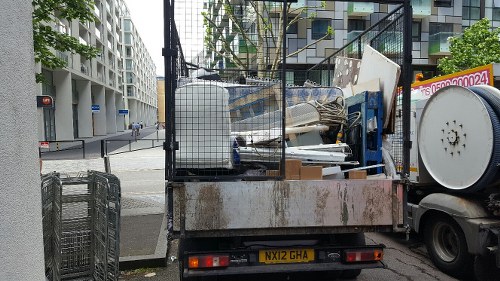
If you need business waste removal in Wood Green, the easiest next step is to describe the items, the location and the kind of access involved. We can then consider whether the job is mainly office waste, furniture, mixed commercial rubbish, or a combination of several service types. Clear information makes the quotation more relevant and gives a better basis for planning the collection around your premises.
When you are ready, contact us to request a quotation and include the main waste categories, approximate volume and any timing constraints. If you prefer to review the scope first, the linked service pages above can help you identify the nearest match before you enquire. We are ready to help with a straightforward, well-organised clearance that fits the needs of the site and the type of waste involved.
For a quick start, send the basic details today and we can take it from there. A short message is usually enough to begin shaping the work, and a plain description of the waste will often be more helpful than trying to over-explain it. If you are comparing services, ask for a quotation now.