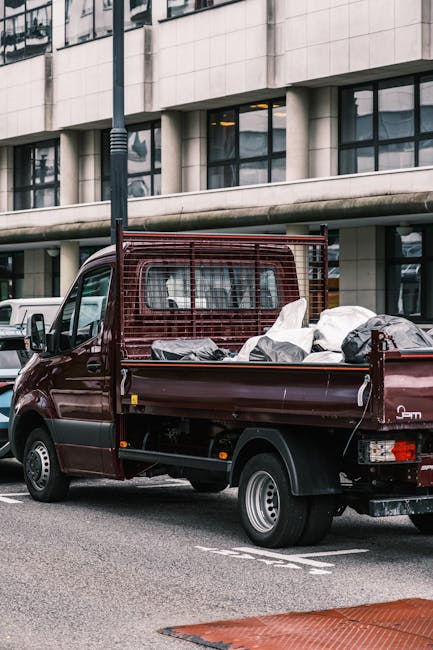
Alexandra Palace garden waste pickup and bulky rubbish tips: a practical local guide
If you are staring at a heap of hedge cuttings, broken fence panels, or an old sofa that has somehow become part of the garden, you are not alone. Alexandra Palace garden waste pickup and bulky rubbish tips is really about getting a messy job under control without wasting a weekend, upsetting neighbours, or making avoidable disposal mistakes. The trick is knowing what can be collected, what needs separate handling, and when it makes more sense to book a proper clearance rather than trying to wrestle everything to the kerb yourself.
This guide walks through the practical side of garden waste removal and bulky item disposal around Alexandra Palace. You will find simple planning tips, common pitfalls, and a clear breakdown of the options so you can choose the quickest, safest route. Not glamorous, admittedly. But very useful when the garden is looking like it lost an argument with the weather.
Why Alexandra Palace garden waste pickup and bulky rubbish tips Matters
Alexandra Palace and the surrounding streets have their own rhythm: busy main roads, residential side streets, flats, terraces, gardens tucked behind narrow access ways, and the occasional awkwardly placed side gate that was clearly designed by someone who never had to move a broken wardrobe. That mix matters because waste removal is rarely one-size-fits-all.
Garden waste builds up fast after pruning, landscaping, storm damage, or a long-overdue clear-out. Bulky rubbish piles up even faster when you are replacing furniture, clearing a shed, or dealing with the bits and pieces that never fit into standard bins. Left too long, it can make a property look neglected, attract pests, and simply become one of those jobs you keep walking past. We all do it. Then one day the pile looks bigger than the garden itself.
Good waste handling matters for another reason too: not everything belongs in the same load. Green waste, timber, soil, broken furniture, and electrical items all behave differently in disposal terms. Separating them properly can improve recycling and reduce the risk of contamination. That is one of the quiet benefits of a well-planned pickup; less mess, less backtracking, fewer awkward surprises.
Practical takeaway: the best garden waste pickup is not just the one that removes the most stuff. It is the one that removes the right stuff, safely, in one go, with the least stress for you.
How Alexandra Palace garden waste pickup and bulky rubbish tips Works
In practice, most garden and bulky waste pickups follow a simple process. You identify the material, estimate the amount, arrange collection, and make sure the items are ready for removal. The details vary depending on access, load type, and whether you are dealing with mixed waste or a more straightforward garden clearance.
For many homes, a professional clearance team is the easiest route. That can include branch cuttings, grass, leaves, hedge trimmings, old planters, broken garden furniture, damaged fencing, and general bulky rubbish from sheds or garages. If you have heavier items, awkward furniture, or mixed household waste, a broader waste removal service or a dedicated garden clearance option can be more efficient than trying to separate everything yourself on the driveway.
The process usually looks like this:
- Sort the waste type. Separate green waste, wood, furniture, appliances, and any hazardous items.
- Estimate volume. A few bags is very different from a full shed or a stack of fencing.
- Check access. Narrow stairs, rear gardens, shared entrances, and parked cars can affect how the pickup is done.
- Choose the right collection route. Garden waste, bulky furniture, or mixed rubbish may need different handling.
- Prepare for collection. Keep items together, clear pathways, and make sure anything you want to keep is safely out of the way.
That sounds simple, and often it is. But the "mixed load" part is where people get caught out. A pile that begins with hedge clippings can quickly become old pots, a rusted barbecue, and a mattress that has been sitting under a tarp since last summer. Suddenly, the job is more than a garden tidy-up. Little things have a habit of multiplying.
Key Benefits and Practical Advantages
The obvious benefit is convenience. You avoid multiple trips, heavy lifting, and the endless back-and-forth of "I'll deal with that later." But there is more to it than speed.
- Cleaner outdoor space: Once the waste is gone, the garden is easier to use, mow, and maintain.
- Safer pathways: Removing stacked items, broken timber, and sharp debris lowers trip and cut risks.
- Better organisation: Clearing bulky rubbish helps you see what actually needs doing next.
- Improved recycling potential: Segregated waste is often easier to recycle responsibly.
- Less disruption: A single well-planned pickup is usually less messy than several ad hoc trips.
There is also a subtle but real morale boost. A cleared garden changes the feel of the whole property. Suddenly, the space feels usable again. You can see the patio. You can hear birds instead of bags rustling in the corner. Sounds a bit dramatic, perhaps, but anyone who has cleared a chaotic outdoor area knows the feeling.
If your project involves more than garden debris, it can help to think in terms of the whole property. Services such as home clearance, house clearance, or even garage clearance may be useful where bulky rubbish has spread beyond the garden itself.
Who This Is For and When It Makes Sense
This kind of pickup makes sense for a wide range of people. Homeowners, tenants, landlords, estate agents, and small businesses all run into the same problem eventually: too much waste, not enough time, and a collection method that needs to be practical rather than theoretical.
You might need Alexandra Palace garden waste pickup and bulky rubbish tips if you are:
- tidying a back garden after pruning, mowing, or landscaping
- clearing a shed full of old tools, plastic pots, and broken storage
- disposing of broken garden furniture or a worn-out barbecue
- dealing with storm damage, fallen branches, or snapped fencing
- clearing mixed rubbish after a move, renovation, or end-of-tenancy clean
- preparing a property for sale, rental, or inspection
It also makes sense if you simply do not have the vehicle, time, or lifting capacity to deal with bulky waste yourself. Truth be told, a lot of people start with the idea of "just one or two car loads" and then realise the boot is nowhere near large enough. No shame in that. Garden waste is deceptive. It looks light until it is bagged, wet, and spread across four different corners of the yard.
Step-by-Step Guidance
If you want to get this done without drama, follow a straightforward process. It is not fancy, but it works.
- Walk the site first. Go through the garden, shed, patio, and any side access. Make a note of everything that needs to go.
- Separate categories. Put green waste in one area, bulky rubbish in another, and keep potentially hazardous items aside.
- Remove reusable items early. If anything can be donated, stored, or repurposed, take it out of the waste stream before collection day.
- Break down larger items where safe. Flat-pack timber, dismantled fencing, and unscrewed furniture are much easier to load.
- Clear access routes. Move bikes, bins, toys, and plant pots that could slow down removal.
- Confirm what the service can take. If you have anything unusual, ask before collection rather than guessing.
- Book the right level of service. If the waste is mixed or large in volume, a broader waste removal solution may be more practical than a garden-only pickup.
- Keep the final pile tidy. The more accessible the waste, the faster the load can be cleared.
A small but useful tip: take a quick phone photo of the waste area before you book. It helps with estimating size, access, and whether you are looking at a light clearance or something more substantial. Saves a lot of "oh, it's actually bigger than I thought" moments.
Expert Tips for Better Results
Here is where the job gets easier. A few simple habits can save time, money, and a fair amount of annoyance.
- Keep green waste dry if possible. Wet grass cuttings and damp branches become heavier and messier.
- Do not mix sharp metal with soft garden waste. It slows sorting and can create handling risks.
- Bundle long timber or canes. Loose lengths take up more room and are awkward to move.
- Think about weight, not just volume. Soil, rubble, and wet turf can be unexpectedly heavy.
- Protect floors and doorways. If waste is going through the house or communal areas, lay something down first.
- Leave questionable items out until confirmed. If it might be hazardous, electrical, or contaminated, check before loading it in with normal rubbish.
One thing people often overlook is the order of work. Clear the easiest items first. That makes the space feel smaller and, strangely, less emotionally draining. Then tackle the awkward leftovers. It is a better rhythm than trying to start with the heaviest, messiest corner and burning out halfway through.
If bulky rubbish is mostly old interior items rather than garden debris, services like furniture clearance or mattress and sofa disposal may fit better. And if the pile includes white goods, take a careful look at fridge and appliance removal before deciding how to proceed.
Common Mistakes to Avoid
Most clearance problems come down to a few predictable mistakes. The good news? They are easy to avoid once you know what to watch for.
- Assuming everything is garden waste. A broken chair, old mirror, or paint tin is not the same as hedge trimmings.
- Overfilling bags. Heavy bags can split, and split bags are nobody's idea of a good time.
- Leaving waste spread out. Scattered items take longer to collect and may be harder to quote accurately.
- Ignoring access issues. Tight entrances, steps, and parking restrictions can slow the job down.
- Mixing hazardous items into general rubbish. That is one to avoid, full stop.
- Waiting until the pile becomes unmanageable. If you need a step ladder just to see the top of the stack, you may have left it a bit late.
Another common slip is forgetting that some waste requires extra caution. Old treated wood, broken appliances, batteries, tins of unknown liquid, or bags with sharp offcuts should never be treated casually. If a load looks odd, it probably deserves a second look. Better to pause for ten minutes than create a problem for later.
Tools, Resources and Recommendations
You do not need a warehouse full of equipment to prepare for a pickup. A few practical tools make the job much smoother.
- Heavy-duty sacks or rubble bags: good for leaves, hedge cuttings, and smaller mixed items.
- Gloves with grip: useful for thorny branches, rough timber, and damp debris.
- Secateurs, loppers, or a handsaw: helpful if you are safely reducing branch size.
- Dust sheets or tarps: handy for protecting indoor routes or grouping waste together.
- Tape measure: not exciting, but it helps when estimating bulky item dimensions.
- Basic trolley or sack truck: very useful if you are moving loads across a driveway or through a side passage.
For service planning, the most useful "resource" is usually a clear photo set and a rough inventory. What exactly is there? How much of it is green waste? How much is bulky household rubbish? Do you have a mixture of soft and hard materials? These details make the whole process easier, whether you are arranging online booking or just comparing options.
If you want to understand broader service types, it can also help to look at recycling and sustainability guidance, because waste separation and material recovery are often part of a sensible disposal plan.
Law, Compliance, Standards, or Best Practice
Waste disposal in the UK is not just a practical task; it is also something that should be handled responsibly. You do not need to become a legal expert, but you do need to avoid careless disposal and use a provider that treats waste properly.
A few sound principles apply:
- Do not place hazardous waste into general garden or bulky rubbish loads.
- Keep an eye on duty of care. In simple terms, waste should be transferred to a legitimate carrier and handled appropriately.
- Separate materials where you can. Cleaner loads are easier to recycle and less likely to be rejected or downgraded.
- Ask about insurance and safety practices. That matters if items are being moved through shared spaces or tight access points.
Good operators should be able to explain how waste is handled, what is accepted, and how safety is managed. If you are dealing with mixed loads or anything that seems potentially risky, it is worth reviewing hazardous waste disposal information and checking the provider's health and safety policy and insurance and safety approach.
Best practice also means being honest about what you have. No guessing, no "it's probably fine." If you are not sure whether an item is allowed, say so. That conversation is always easier before collection than at the kerbside.
Options, Methods, or Comparison Table
There are a few sensible ways to deal with garden waste and bulky rubbish. The best one depends on volume, access, item type, and how much time you want to spend on it.
| Option | Best for | Strengths | Limitations |
|---|---|---|---|
| DIY trips to a disposal site | Small loads, repeated lightweight visits | Full control, useful for very modest clear-outs | Time-consuming, vehicle dependent, heavy lifting involved |
| Skip-style approach | Larger clear-outs with space for a container | Handy for ongoing projects, mixed waste in one place | Requires space and may not suit tight access or quick jobs |
| Professional garden clearance | Branches, clippings, light outdoor waste | Fast, tidy, convenient, often well suited to outdoor-only waste | Less suitable if the load includes bulky interior items |
| Mixed waste removal | Garden waste plus bulky household rubbish | Flexible, efficient for real-world clear-outs | Needs accurate sorting and clear communication |
For many Alexandra Palace homes, mixed waste removal is the sweet spot. Gardens rarely generate only one waste type. There is usually a bit of this, a bit of that, and at least one object that has been outside for so long you no longer remember buying it.
If you are dealing with other bulky spaces too, you might also find loft clearance, garage clearance, or flat clearance relevant to the wider job.
Case Study or Real-World Example
A typical local scenario goes like this. A household near Alexandra Palace has spent the spring cutting back hedges, pruning shrubs, and replacing old garden furniture. The garden looks better already, but there is a growing pile at the side: green bags, broken slats from a bench, a rusted parasol base, two cracked plant pots, and an old lawn edging strip that refuses to sit neatly anywhere.
At first, it feels like something that could be handled in a couple of trips. Then the weather changes, the bags get heavier, and the bulky chair frame will not fit through the narrow side gate without being dismantled. That is usually the moment people decide they want help. Sensible, really.
In this kind of job, the best outcome usually comes from grouping items before collection, separating anything hazardous, and choosing a service that can handle both the garden waste and the awkward leftover rubbish. The result is not just an empty corner. It is a proper reset of the space. The garden is easier to maintain, and the path to the shed is clear again. That feeling of opening up a space after it has been cluttered for months is hard to beat.
Practical Checklist
Use this before collection day. It keeps things simple.
- Have I separated green waste from bulky rubbish?
- Have I identified any items that need special handling?
- Are all items easy to access?
- Have I measured or roughly estimated the bulkier pieces?
- Have I cleared pathways, gates, and steps?
- Have I checked for nails, sharp edges, or loose glass?
- Have I kept reusable items out of the waste pile?
- Do I know whether I need a garden-only or mixed-waste collection?
- Have I reviewed the provider's pricing and quotes information?
- Am I clear on what will happen to the waste after collection?
Ticking off those boxes takes five minutes. It can save you a lot more than five minutes later.
Get a free quote today and see how much you can save.
Conclusion
Alexandra Palace garden waste pickup and bulky rubbish tips are really about making a messy, awkward job feel manageable. Once you understand what is being removed, how it should be separated, and which collection method fits the load, the whole process becomes far less daunting.
The key is to be practical. Sort first, guess less, and choose a disposal method that suits the real mix of waste in front of you. A garden tidy-up is one thing. A garden tidy-up plus old furniture, fencing, and mystery items from the shed is another. And that is fine. It just needs the right plan.
When the waste is gone, the space always feels a bit different. Clearer. Calmer. More yours again. That part never gets old.
Frequently Asked Questions
What counts as garden waste in Alexandra Palace pickups?
Garden waste usually includes grass cuttings, hedge trimmings, branches, leaves, soil in manageable amounts, weeds, and other outdoor green material. In some jobs, it may also include lightweight timber or broken plant supports, but mixed loads should be checked carefully before collection.
Can bulky rubbish be collected with garden waste?
Yes, often it can, but it depends on the provider and the type of items involved. Broken garden furniture, shed contents, fencing, and similar bulky rubbish can usually be included in a mixed clearance if it is arranged in advance. Always separate anything potentially hazardous.
Is it better to use a skip or a waste removal service?
It depends on your access and the size of the job. A skip can suit longer projects with space for a container, while a waste removal service is often easier for quick clear-outs, tight access, or mixed garden and household waste. If you want less hassle, the removal route is usually simpler.
How should I prepare waste for collection?
Group similar items together, keep pathways clear, and make sure bulky items are reachable. If possible, bag lighter garden waste and place branches or timber in tidy piles. The more organised the pile, the faster and cleaner the pickup tends to be.
Can wet garden waste be collected?
Yes, but wet waste is heavier and harder to handle. If you can keep clippings and leaves dry before collection, that is usually better. Wet soil and turf can also make the load much heavier than it first appears.
What items should never go in general rubbish?
Hazardous items, unknown liquids, batteries, paint tins with residue, and certain electrical or chemical items should not be mixed into ordinary garden or bulky waste. If in doubt, check before putting anything into the pile. It saves problems later.
How do I know whether I need garden clearance or full waste removal?
If the waste is mostly outdoor material, garden clearance may be enough. If you also have furniture, shed contents, broken appliances, or mixed household rubbish, a broader waste removal service is often the better fit. Mixed loads are common, so this is a practical decision rather than a strict rule.
What happens if the waste is too large for one collection?
Then it may need to be split into more than one pickup or handled as a larger clearance. The most useful step is to describe the pile honestly at the booking stage. A quick photo and rough volume estimate can prevent awkward surprises on the day.
Can I include old furniture with outdoor rubbish?
Usually yes, if the provider accepts mixed waste. Items like chairs, tables, benches, and worn outdoor storage are common additions to garden clearances. If the furniture is indoors or upholstered, a dedicated furniture disposal route may be more suitable.
How do I keep costs under control?
Sort the waste properly, remove anything reusable, and avoid mixing unnecessary materials into the load. Clear access and accurate estimates also help. The less confusion there is, the easier it is to quote fairly and avoid paying for wasted space.
Is there any benefit to separating green waste from bulky rubbish?
Yes. Separation can make recycling easier, reduce contamination, and sometimes make the job more efficient overall. It also helps you understand the true scale of the waste. That sounds small, but it is often the difference between a neat pickup and a very long afternoon.
Where can I check more about safe disposal and service options?
You can review service pages such as recycling and sustainability, what can go in a skip, and contact details if you need to ask about a specific load. Those pages are useful when you want a clearer picture before booking.